Jane Goodall’s Death: Natural Causes at 91
Did you know that Jane Goodall, the iconic primatologist who spent decades bridging the gap between humans and chimpanzees, left us just yesterday? At 91 years old, her passing marks the end of an era in conservation and animal behavior studies. As tributes pour in from world leaders and fellow scientists, we explore the circumstances of her causes of death and reflect on a life that inspired millions.
Table of Contents
- Early Life and Passion for Animals
- Pioneering Research in Gombe
- Conservation Legacy and Global Impact
- Personal Life and Challenges
- Awards, Books, and Lasting Influence
- The Circumstances of Jane Goodall’s Death
- Expert Opinions on Her Passing
- Q&A: Common Questions About Jane Goodall
- Summary

Who was Jane Goodall? Here’s a look back at her life in photos – ABC News
Early Life and Passion for Animals
Jane Goodall was born on April 3, 1934, in London, England, into a family that nurtured her curiosity from the start. Her father, Mortimer Herbert Morris-Goodall, an engineer and race car driver, gifted her a stuffed chimpanzee toy named Jubilee when she was an infant—a toy she cherished for decades and credited with sparking her lifelong fascination with primates.
Growing up in Bournemouth after her parents’ divorce, young Jane devoured books about animals and dreamed of African adventures. Inspired by fictional characters like Tarzan’s Jane and Dr. Doolittle, she spent hours observing chickens and other backyard creatures, teaching herself the patience that would define her career.
At 18, she left school without a degree, working odd jobs in London to save for a trip to Africa. In 1957, at age 23, she arrived in Kenya, where fate intervened. She met famed paleoanthropologist Louis Leakey, becoming his secretary and assistant on digs at Olduvai Gorge in Tanzania. This immersion in East Africa’s wild landscapes solidified her resolve to study animals up close.
Key Childhood Influences
- Jubilee the Chimp Toy: Symbolized her bond with primates from infancy.
- Family Support: Her mother, Vanne, an author, encouraged Jane’s bold dreams despite societal norms for women in the 1950s.
- Early Observations: Secretly watching a hen lay eggs taught her the value of quiet, prolonged study—lessons applied to chimpanzee research.
These formative years weren’t just whimsical; they built the resilience needed for groundbreaking work. Goodall later reflected in interviews that her lack of formal education freed her from rigid scientific dogma, allowing fresh perspectives.
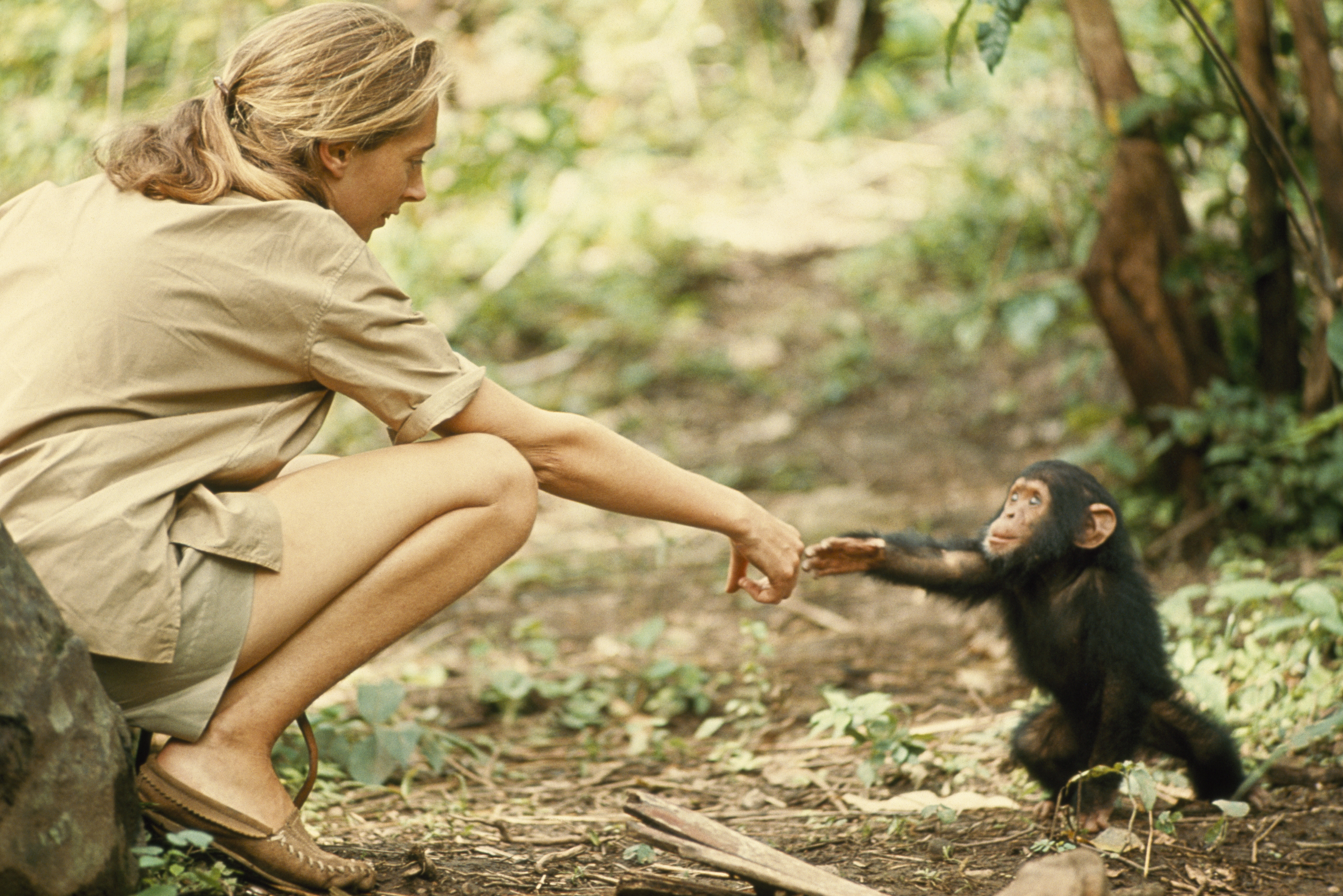
education.nationalgeographic.org
Jane Goodall
Pioneering Research in Gombe
In 1960, Jane Goodall arrived at what is now Gombe Stream National Park in Tanzania, a dense rainforest teeming with elusive chimpanzees. Funded by National Geographic and accompanied by her mother for propriety’s sake, she set up camp without formal training—just binoculars, a notebook, and unyielding determination.
For months, the chimps avoided her, forcing Goodall to adapt. She mimicked their behaviors, sitting silently for hours amid the canopy. Her breakthrough came in 1960 when she witnessed a chimp named David Greybeard stripping twigs to “fish” for termites—a tool-using behavior that shattered the notion that only humans crafted tools.
This discovery, detailed in her 1963 National Geographic article, prompted Leakey to quip: “Now we must redefine ‘tool,’ redefine ‘man,’ or accept chimpanzees as humans.” Goodall’s observations revealed chimps’ complex social structures: meat-eating, “rain dances,” organized “wars” between groups, and deep family bonds.
Groundbreaking Discoveries
- Tool Use: Chimps modified sticks to extract insects, challenging evolutionary theories.
- Emotional Depth: Naming subjects like Flo (a matriarch) and Fifi (her daughter) humanized them, showing grief, joy, and affection.
- Social Hierarchies: Alpha males rose and fell through alliances, mirroring human politics.
Admitted to Cambridge University in 1962 without a bachelor’s—earning her PhD in ethology by 1966—Goodall’s thesis, “Behaviour of Free-Living Chimpanzees,” became a cornerstone of primatology. Her methods, blending science with empathy, influenced generations. Today, Gombe remains a hub for researchers, thanks to her advocacy for its 1978 national park status.
But success came with peril. In 1975, armed raiders kidnapped staff from her camp, highlighting the region’s instability. Undeterred, Goodall used these events to advocate for peace and habitat protection.

Jane Goodall Chimp Personalities Studied in Gombe Stream National Park | National Geographic
Conservation Legacy and Global Impact
By the 1970s, Jane Goodall shifted from pure observation to activism, founding the Jane Goodall Institute (JGI) in 1977. What began as a research fund evolved into a global force, operating in over 35 countries with programs like community-centered conservation in Africa.
Her TACARE project, launched in 1994 near Gombe, empowered Tanzanian women with microloans for sustainable farming, reducing deforestation by 50% in participating villages. This holistic approach—linking human well-being to wildlife survival—taught a new paradigm: conservation isn’t just about animals; it’s about people too.
In 1991, she started Roots & Shoots, a youth-led initiative now in 120 countries. It engages kids in environmental projects, from beach cleanups to anti-poaching patrols. “Every individual matters. Every individual has a role to play,” Goodall often said, inspiring over 10,000 groups worldwide.
Major Conservation Milestones
- Tchimpounga Sanctuary (1992): Rehabilitates orphaned chimps rescued from the pet trade and bushmeat markets.
- UN Messenger of Peace (2002): Amplified her voice on climate change and biodiversity loss.
- Vegan Advocacy (2021): Promoted “Eat Meat Less” to combat factory farming’s environmental toll.
Goodall’s impact extended to policy: She lobbied against chimp experimentation, leading to U.S. bans in 2015. Her work with NASA monitored deforestation via satellite, revealing how habitat loss threatens 99% of chimp populations—down from 1-2 million in the 1900s to under 350,000 today.
Through 32 books, including “In the Shadow of Man” (1971) and “The Book of Hope” (2021), she shared hard-won wisdom. Her optimism, even amid crises, taught us that hope is a survival tool—fostering empathy over exploitation.
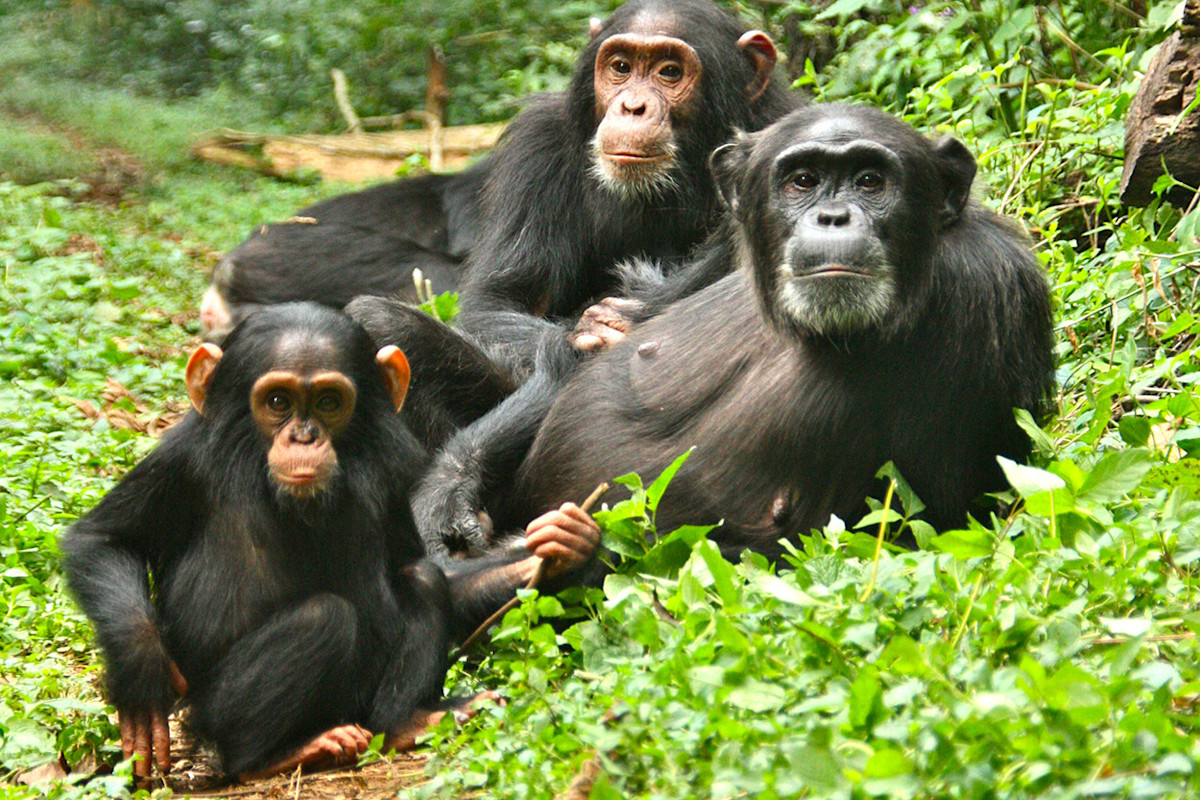
Wild Chimpanzees Have Family Drama Too | Discover Magazine
Personal Life and Challenges
Behind the legend, Jane Goodall navigated profound personal trials. In 1964, she married wildlife photographer Hugo van Lawick, with whom she had son Grub in 1967. Raising him in Gombe meant cribs in chimp-proof enclosures, drawing parallels to primate parenting—Flo’s nurturing style informed her own.
Their 1974 divorce was amicable, but her 1975 marriage to Tanzanian politician Derek Bryceson brought heartbreak; he died of cancer in 1980. “That was perhaps the hardest time of my life,” she later shared, finding solace in work.
Goodall never remarried, dedicating herself to travel—over 300 days a year speaking globally. At 90, she adopted veganism for ethical reasons, authoring guides on mindful eating. Her faith, blending Christianity with respect for all life, underscored her belief in interconnectedness.
Challenges abounded: sexism in science, health scares like a 1980s bout with typhoid, and witnessing chimp “wars” that revealed nature’s brutality. Yet, she taught us resilience: “What you do makes a difference, and you have to decide what kind of difference you want to make.”
Lessons from Adversity
- Adaptability: From failed chimp sightings to policy wins, flexibility was key.
- Empathy as Strength: Treating animals as individuals built trust and breakthroughs.
- Work-Life Balance: Blending family with fieldwork showed integrated living is possible.
Her story humanizes science, proving passion trumps pedigree.
Awards, Books, and Lasting Influence
Jane Goodall amassed accolades that span continents. In 1995, she received the National Geographic Hubbard Medal; by 2003, Dame Commander of the British Empire (DBE). The 2021 Templeton Prize honored her spiritual-scientific bridge, while January 2025’s Presidential Medal of Freedom from President Biden capped her honors.
Her bibliography—32 titles, 15 for children—democratized knowledge. Classics like “Through a Window” (1990) detail 30 Gombe years, while “Harvest for Hope” (2005) urges sustainable eating.
Notable Publications
- In the Shadow of Man (1971): Bestseller on early Gombe days.
- Reason for Hope (1999): Personal manifesto against despair.
- Seeds of Hope (2013): Explores plants’ wisdom, teaching biodiversity’s poetry.
Influence ripples: Mattel’s 2022 Inspiring Women doll sparked girl-power conservation. Young readers credit her for careers in ethology—proving one voice can ignite movements. Her legacy? Redefining humanity’s place in nature, urging action over apathy.
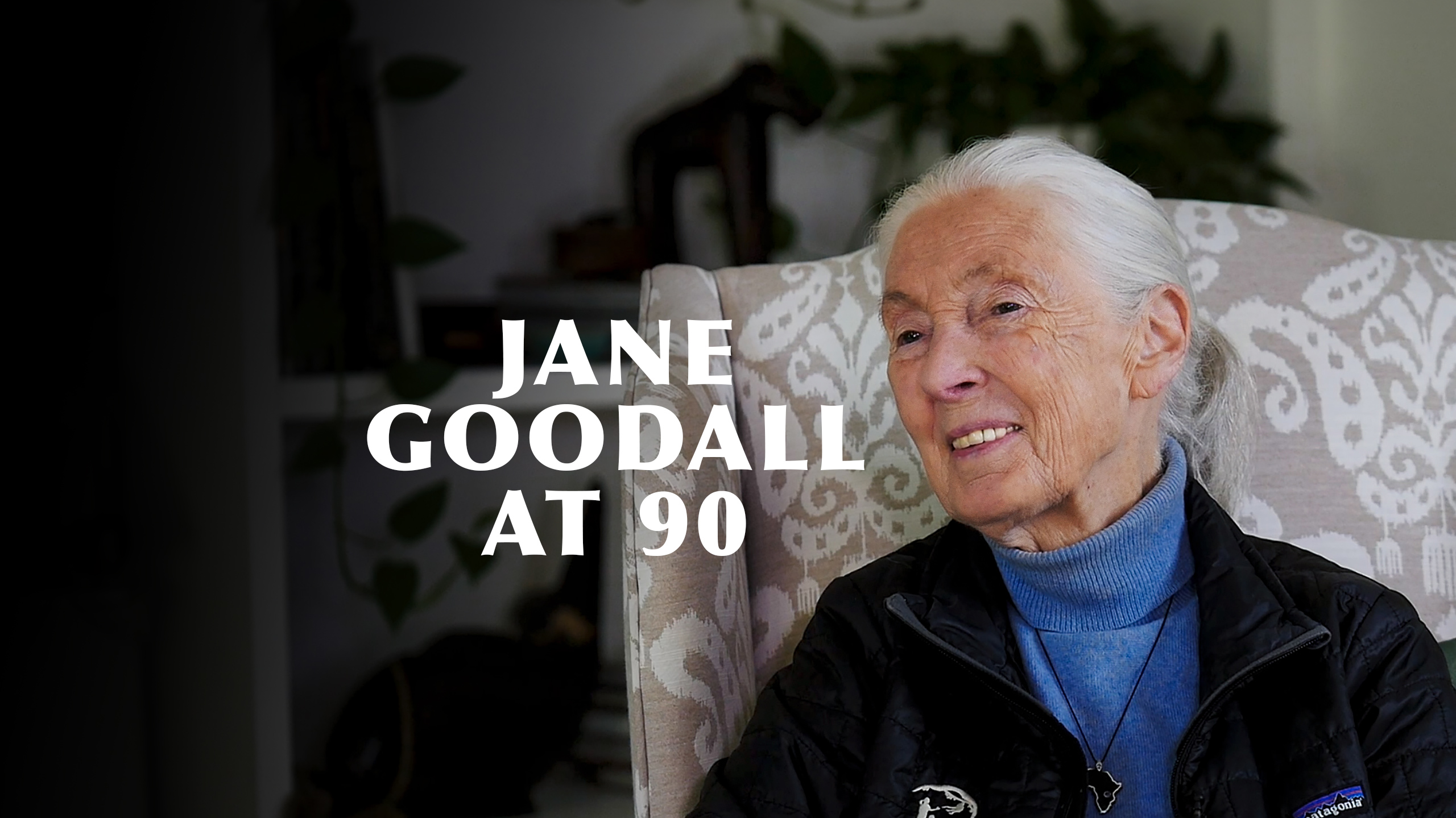
Jane Goodall at 90: On fame, hope, and empathy
The Circumstances of Jane Goodall’s Death
On October 1, 2025, Jane Goodall passed away peacefully in Los Angeles, California, at age 91, due to natural causes. The Jane Goodall Institute confirmed she died during a U.S. speaking tour, her final act embodying lifelong commitment to advocacy.
“Natural causes” typically means age-related decline—heart failure, organ shutdown—without trauma or disease. At 91, Goodall had slowed travel but remained active, her last video urging hope amid climate woes.
No funeral details yet, but tributes flood in: UN Secretary-General António Guterres called her “a beacon of hope”; Leonardo DiCaprio, “irreplaceable guardian.” Her death, mere days after the Presidential Medal, feels poetic—exiting mid-mission.
Speculation on causes of death arose from her vigor, but insiders note quiet health fade. It reminds us: even icons are mortal, their light enduring through deeds.
Timeline of Final Days
- September 2025: U.S. tour kickoff, speeches on youth empowerment.
- October 1: Peaceful passing in LA hotel.
- October 2: Global mourning begins.
This gentle exit mirrors her life’s grace—ending not in fanfare, but quiet reflection.
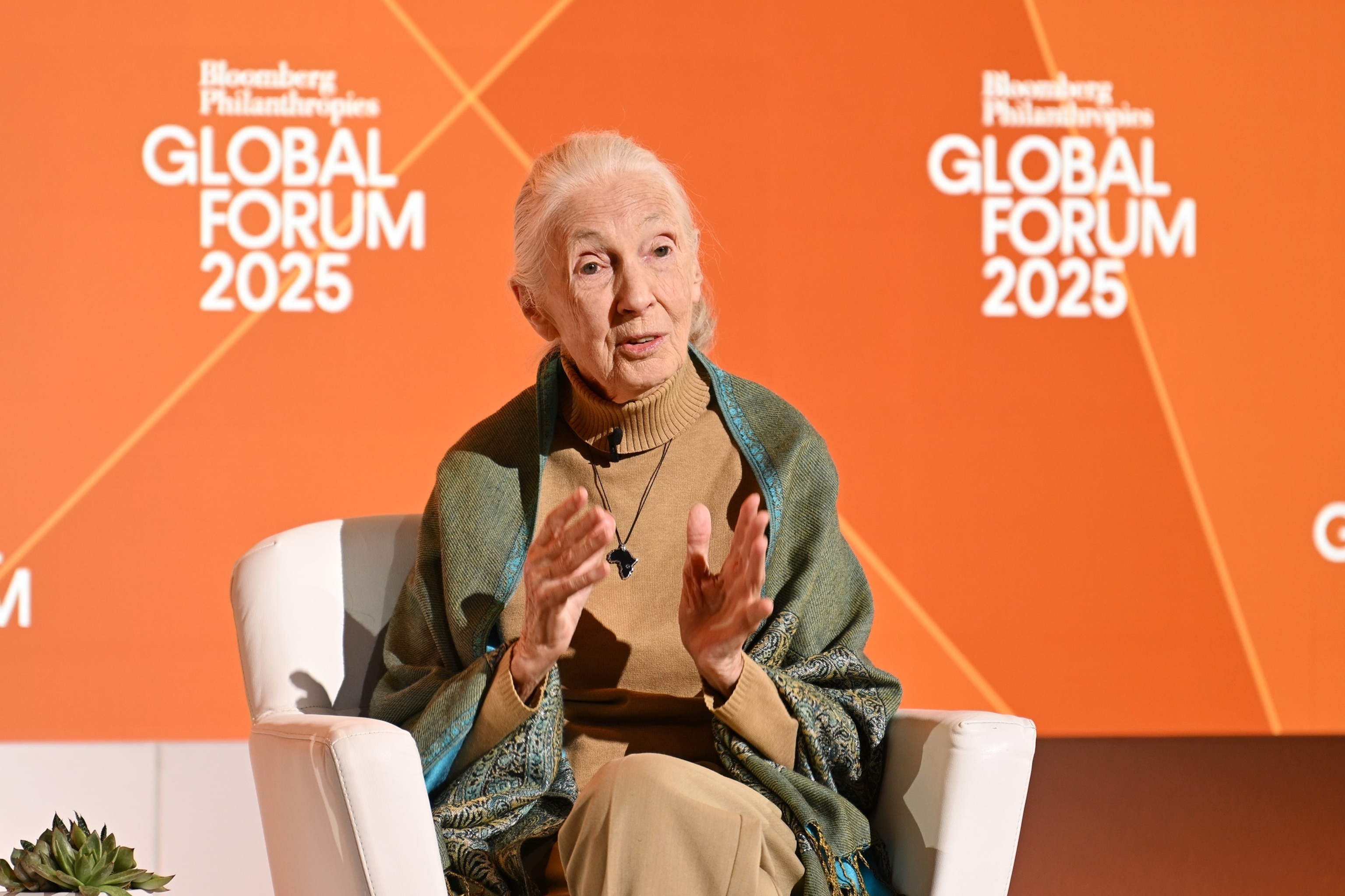
What Jane Goodall said in her last video message before her death – ABC News
Expert Opinions on Her Passing
Dr. Anthony Collins, JGI’s Gombe director for 30 years, shares: “Jane taught us chimps aren’t ‘subjects’—they’re personalities with stories. Her death is a loss, but her methods live in every researcher today.” Collins highlights how Goodall’s empathy-driven science reduced chimp exploitation globally.
Conservationist Jane Poyner, of Roots & Shoots, adds: “At 91, she embodied hope’s power. Natural causes took her body, but her spirit fuels our fight against extinction—chimps down 90% in her lifetime, yet programs like TACARE reverse that.”
Primatologist Frans de Waal, author of “Chimpanzee Politics,” opines: “Goodall humanized non-humans, blurring lines we clung to. Her passing? A call to honor her by protecting the wild she loved.” Experts agree: Study her life to combat biodiversity loss—her true immortality.
These voices underscore Jane Goodall‘s ripple: From Gombe trails to UN halls, she reshaped ethics.
Q&A: Common Questions About Jane Goodall
Q: What exactly were the causes of Jane Goodall’s death? A: Official reports confirm natural causes at 91, likely age-related, during a speaking engagement in Los Angeles.
Q: How did Jane Goodall change chimpanzee research? A: By naming chimps and observing emotions, she proved their intelligence rivals ours, leading to ethical protections.
Q: What’s next for the Jane Goodall Institute? A: Expansion of Roots & Shoots and sanctuaries, honoring her vision—no pause in the mission.
Q: Can I still support her causes? A: Yes—volunteer locally or donate to JGI for chimp rehab and youth programs.
Q: Did Jane Goodall predict her legacy? A: In “The Book of Hope,” she wrote: “Change happens at the grassroots—individuals like you make it real.”
Summary
Jane Goodall‘s life—from a London girl with a chimp toy to global icon—revolutionized our view of animals and ourselves. Her causes of death, natural at 91, close a chapter but open endless ones through JGI’s work. She taught empathy as science, hope as action: Chimps use tools, feel joy, wage wars—mirroring us. In Gombe’s shadows, she found light; may we carry it forward against habitat loss and despair. Her final lesson? Every voice counts—yours included.
For more, visit the Jane Goodall Institute.
https://www.today.com/health/news/jane-goodall-cause-of-death-rcna235130